By Restoration Advertising · 11/02/2026
After Hurricane Season: A Review for Restoration Companies
The Atlantic hurricane season ends November 30. A review checklist for restoration owners: calls, response time, crews, records, reviews and next June's plan.
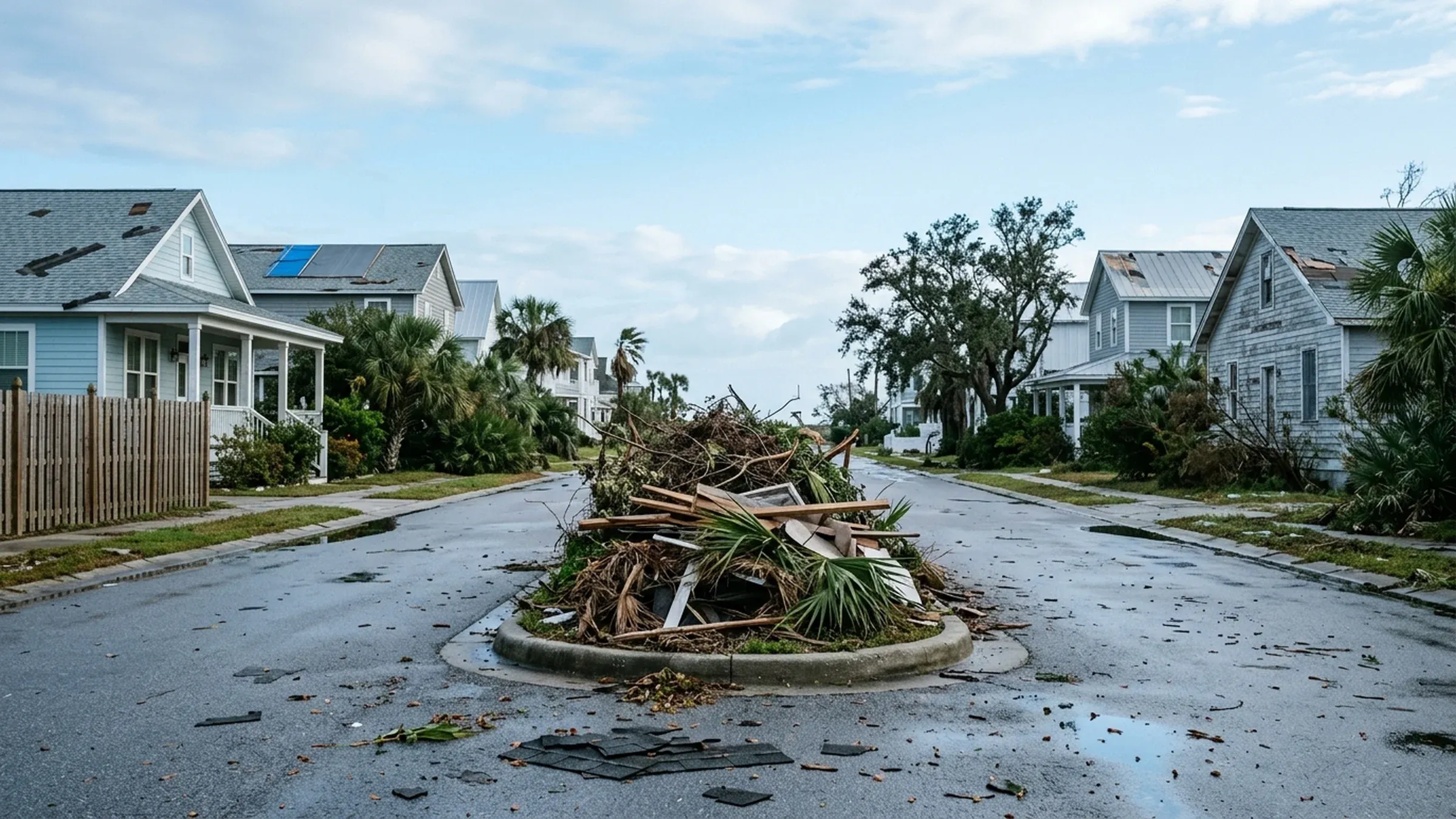
Short answer: the Atlantic hurricane season runs from June 1 to November 30, and the National Hurricane Center says activity peaks around September 10, mostly between mid-August and mid-October (NOAA National Hurricane Center: Tropical Cyclone Climatology, page undated). By the end of October the busy weeks are behind you. That is the time to review what happened while it is fresh, and to fix one or two things before the next June. The checklist below is ours, built around the questions a restoration owner can answer from their own records.
Start with the calls
- How many calls came in, and how many were answered? Your phone system or call log has it. Count the missed ones by day, and note which days and hours they cluster in.
- How fast did you answer and arrive? Pick a sample of the busiest days. The first call often wins the job, as we cover in reviews and response time.
- How did the calls get handled? Was the same set of questions asked every time? If not, a first-call script is the cheapest fix.
- What happened at night? If after-hours was the weak spot, read after-hours calls and storm surges.
Then the work
What to look at in the jobs
Capacity
Where did crews, equipment and trucks run short? Which job types made you turn work away?
Records
Pick five job files at random. Could someone else explain each job from the file alone? See [what a restoration job file should contain]({L_JOBFILE}).
Vendors and trades
Who showed up when you asked, and who did not? Write the names while you remember.
Money
Which work paid on time, and which lead sources earned more than they cost? The method is in [are lead services worth it]({L_LEADS}).
What customers said
Read the reviews you got during the busy weeks. They tell you what customers noticed under stress: speed, communication, the state of the house after you left. If you have not asked every customer for a review, now is the time to ask the ones you have not. Keep your Google Business Profile accurate while you are there.
Pick two things
A review that produces fifteen action items produces none. Choose two:
- One thing that would have made the busiest week easier, such as a call script, an on-call rota or a vendor list.
- One thing that would have made the records better, such as a template or a checklist the technician fills in on site.
Write down who owns each and by what date. Systems that let a restoration company take on more jobs covers how to build them so they last.
Check again in spring
Put a date in your calendar for the first of May. Look at whether your two fixes are in place. The season starts June 1, and the first named storm typically forms in mid to late June, according to the same NOAA page, so there is little time after that.
FAQ
When is Atlantic hurricane season?
The National Hurricane Center says it runs from June 1 to November 30, with activity peaking around September 10 and mostly occurring between mid-August and mid-October.
What should a restoration company review after a busy storm season?
Calls and response times, crew and equipment capacity, the quality of job records, vendor reliability, which lead sources paid off and what customers said in reviews. Pick two fixes and put owners and dates on them.
When should I make changes before next season?
As soon as the busy period is over, while the problems are fresh, and well before June 1. Check progress again in spring.
Researched and drafted with AI, then reviewed and edited by the site's editors.