By Restoration Advertising · 11/13/2026
Thanksgiving Kitchen Fires: The Moment and the Hour After
Thanksgiving brings more home cooking fires than any other day. What to do while the pan is burning, and the six things to do in the hour after.
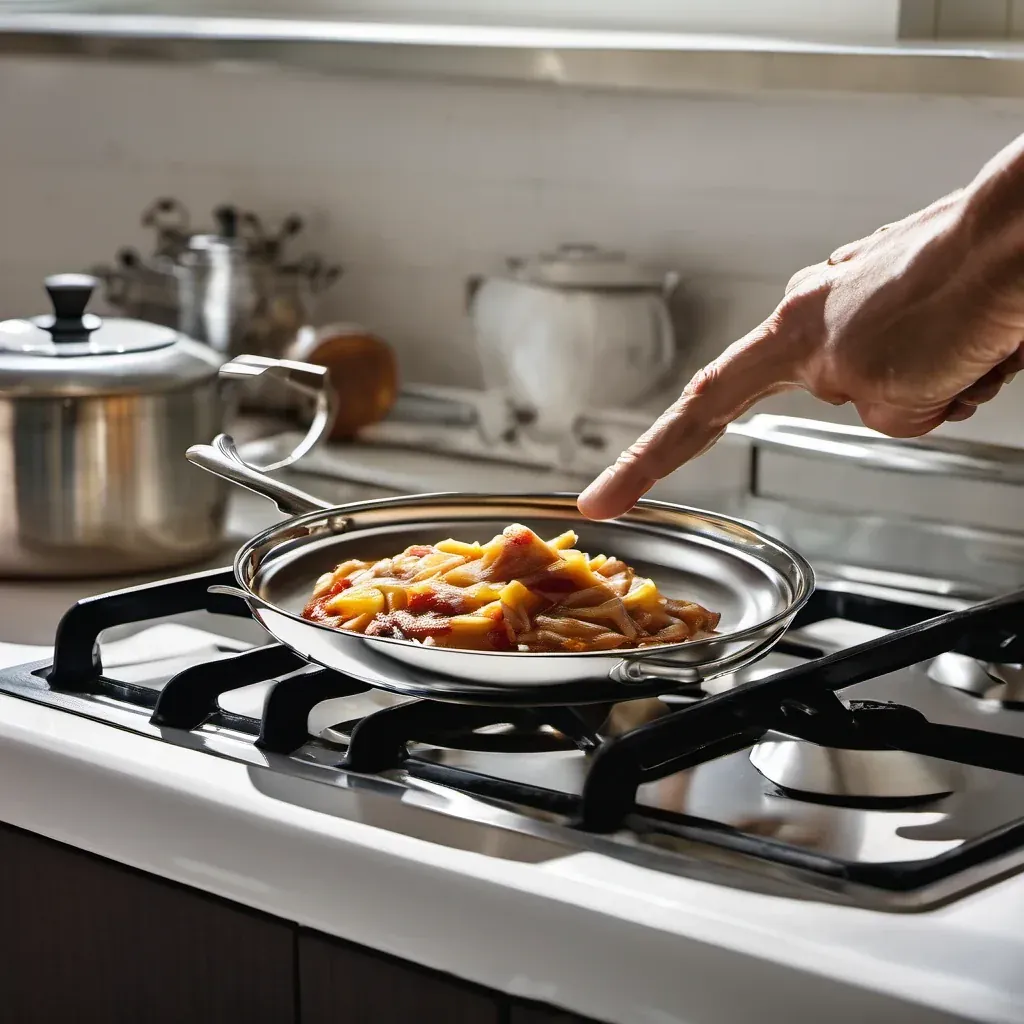
Thanksgiving is the single worst day of the year for home cooking fires: NFPA counts about 1,470 on an average Thanksgiving, against a daily average of 430. If a pan catches fire, slide a lid over it and turn off the burner; never use water. If the oven catches fire, turn it off and keep the door shut. If the fire is growing or you are unsure, get everyone out and call 911 from outside.
How much more likely is a kitchen fire on Thanksgiving?
About 3.4 times. That is our arithmetic on NFPA's own table (Thanksgiving's 1,470 is 240% above the daily average of 430). NFPA's Home Cooking Fires report (Shelby Hall and Tucker McGree, September 2023, covering 2017–2021) lists the leading days:
| Day | Average home cooking fires | Above the daily average |
|---|---|---|
| Thanksgiving | 1,470 | 240% |
| Christmas Eve | 740 | 72% |
| Christmas Day | 740 | 71% |
| Easter | 670 | 54% |
| Day before Thanksgiving | 600 | 40% |
| Any day, on average | 430 | — |
The day before Thanksgiving makes the list on its own, so the risk starts with the prep day, not the meal.
You may see a different number elsewhere. The Consumer Product Safety Commission's holiday release says an average of 1,600 cooking fires happen on Thanksgiving. The two counts differ, and we read that as different years of data (our inference; CPSC's release does not say which years). NFPA's report is the one that names its years, so we use it.
Why do holiday kitchen fires start?
NFPA found unattended cooking was "by far the leading factor": equipment left unattended was involved in 28% of home cooking fires and 48% of cooking fire deaths. Ranges and cooktops were involved in 53% of the fires and 88% of the deaths. The report also notes that holiday guests, television and other activity pull attention away from the kitchen.
The U.S. Fire Administration's cooking fire page (last reviewed September 28, 2026) gives the 2021 picture from fire department reports: about 170,000 home cooking fires, with unattended equipment the leading factor in 37% of nonconfined home cooking fires (fires that did not stay in the pan or object where they started).
Fat is the fuel to respect. Two-thirds of home cooking fires began with food or cooking material catching fire, and in half of those it was oil, fat or grease. NFPA reports that those oil and grease fires accounted for 53% of the civilian deaths in fires that began with food or cooking material.
What do you do the moment a pan or the oven catches fire?
Match the action to what is burning. The pan and oven instructions below are from the Indiana Department of Homeland Security's cooking safety page and NFPA's report; the last two rows are our reading.
| What is on fire | Do this | Never do this |
|---|---|---|
| Grease or oil in a pan | Slide a lid (or a baking sheet) over it, turn off the burner, and leave it covered until it is completely cool | Pour water on it, or carry the pan to the sink or outside |
| Food in the oven | Turn off the heat and keep the door closed | Open the door to look |
| Anything spreading beyond the pan, or you are unsure | Get everyone out and call 911 from outside (our reading) | Stay to fight it |
| Turkey fryer | Get away from it and call 911. Our reading of the sources above; none of them gives fryer-fire steps. Fry only outdoors and away from the house in the first place | Use water, try to cover it or carry it, or use a fryer in a garage or on a porch |
Why a lid, and not water or a dash to the sink
Indiana's guidance is unambiguous: never try to put out a grease fire with water, and do not try to carry the pan away. NFPA's report describes the lid as smothering the flames, which is why it has to stay on: the fire is starved of air, not cooled. Keep a lid or baking sheet within reach of the stove before you start, as USFA advises, so you are not hunting for one.
Why walking away from it is often the right call
NFPA found that more than half of the people injured (not killed) in home cooking fires were hurt while trying to control the fire themselves. Four out of five reported cooking fires stayed in the pan or the object they started in, but the injuries cluster in the moments people spend fighting them. If a lid does not end it right away, leave (our rule of thumb; neither source gives a time).
Turkey fryers
The CPSC knows of 217 fire or scald incidents with turkey fryers since 2000, with 83 injuries and about $9.5 million in property loss. Its advice is to fry only outside and away from the home, and never in a garage or on a porch.
Its release gives no steps for a fryer fire, so the row in the table above is our reading: Indiana's page warns that hot fryer oil is dangerous when it meets water, and a fryer is too hot and too heavy to lid or carry, so the safe move is distance and 911.
What should you do in the first hour after the fire is out?
Six things, in this order. Each has a reason.
1. Let the fire department decide when it is safe
If firefighters came, the U.S. Fire Administration's "After the Fire" guide (FA-46, January 2019) is plain: do not go back in until they say it is safe, and if they shut off gas or electricity, do not turn it back on yourself. The same guide says firefighters may cut holes in your walls to make sure the fire is completely out and not hidden inside, so a stove that looks out is not proof the house is.
2. Leave the pan covered and alone
NFPA's report says to keep the pan covered until it is completely cool. Do not lift the lid to check on it, and do not move it.
3. Air the house out, but leave the heating and cooling off
FEMA's homeowner's guide to smoke damage (revised April 2025) says to open windows and doors to air out the house, and not to run the air handler until the bulk of the soot has been cleaned up. It was written after a wildfire; applying it to kitchen smoke is our judgment.
4. Photograph before you clean anything
Take photos and video of the stove, the cabinets above it, the ceiling, and every room that smells of smoke, before you wipe a surface or throw out food. The NAIC's guide to filing a homeowners claim (April 2022) tells you to take photos and videos of the damage. Our guide to documenting your loss before the cleanup starts covers how to shoot it so an adjuster can use it.
5. Get the fire department's incident number
USFA's guide has a line on its checklist for the fire incident report number, and you will want it for an insurance claim. Ask the officer on scene for it before the truck leaves. How you request the full written report afterward varies by department, so ask that too.
6. Call your insurer before you hire anyone
USFA says to contact your insurance company right away and ask what to do first, and to find out whether you or your insurer will pay for cleaning before work starts. The NAIC adds that reporting deadlines vary by state and that you should know your deductible. Coverage and deadlines depend on your policy and your state: read your policy's "duties after loss" section, and your state insurance department can answer questions your insurer does not.
What about the food that was cooking?
Throw out the dish that burned. Food elsewhere in the kitchen is a harder call: the Virginia Department of Health (updated January 23, 2026) says to discard food that has been near a fire, including refrigerated food and food in cans and jars, because heat, smoke fumes and firefighting chemicals reach it even through packaging.
When should you call a restoration company?
A grease fire that stayed under a lid often needs nothing more than cleaning the stove and the wall behind it. Call a professional if smoke reached other rooms, if the smell is still there a day later, or if soot is on the ceiling or in the air vents. Our explainer on smoke damage you can't see, and why the smell comes back covers why a light-looking fire can leave a house-wide odor problem, and what can be saved after a house fire covers belongings.
Researched and drafted with AI, then reviewed and edited by the site's editors.