Articles
Fire & Smoke
After a house fire: soot, smoke odor, what can be saved, and how fire and smoke damage restoration works.
After a fire, the first decisions are about safety and paperwork, and the cleanup questions come second. The guides below cover soot, hidden smoke damage and what can be saved. If anyone is in danger, call 911 first.
Before you go back in
- Ask the fire department. Ready.gov says: "Check with the fire department to make sure your residence is safe to enter." (Ready.gov, home fires, updated 02/26/2026)
- Leave the utilities alone. The same page says: "DO NOT attempt to reconnect utilities yourself."
- Find temporary help. It says: "Contact your local disaster relief service, such as The Red Cross, if you need temporary housing, food and medicines."
Keep a record from day one
Ready.gov says: "Conduct an inventory of damaged property and items. Do not throw away any damaged goods until after you make the inventory of your items." It also says: "Begin saving receipts for any money you spend related to fire loss," and: "Notify your mortgage company of the fire." (same page)
How common house fires are
The US Fire Administration, part of FEMA, reports 344,600 residential fires in 2023, with 2,890 deaths and 10,400 injuries (USFA, residential fires, page last reviewed Feb. 14, 2025). Those are national figures, and they say nothing about the cost of any one home's cleanup.
Start here
- What can be saved: What Can Be Saved After a House Fire
- The smell is back: Smoke Damage You Can't See, and Why the Smell Comes Back
- Wildfire nearby: Smoke and Soot After a Nearby Wildfire
- Ready to hire: browse fire and smoke restoration companies.
Where to get help
211, run by United Way, says: "211 connects you to expert, caring help." DisasterAssistance.gov, an official FEMA site, says it can help you apply for FEMA disaster assistance.
Sources, each read on 10/05/2026: Ready.gov "Home fires", USFA "Residential fires", 211.org and DisasterAssistance.gov (the last two undated). This is general guidance, not advice for your home.
Everything in Fire & Smoke
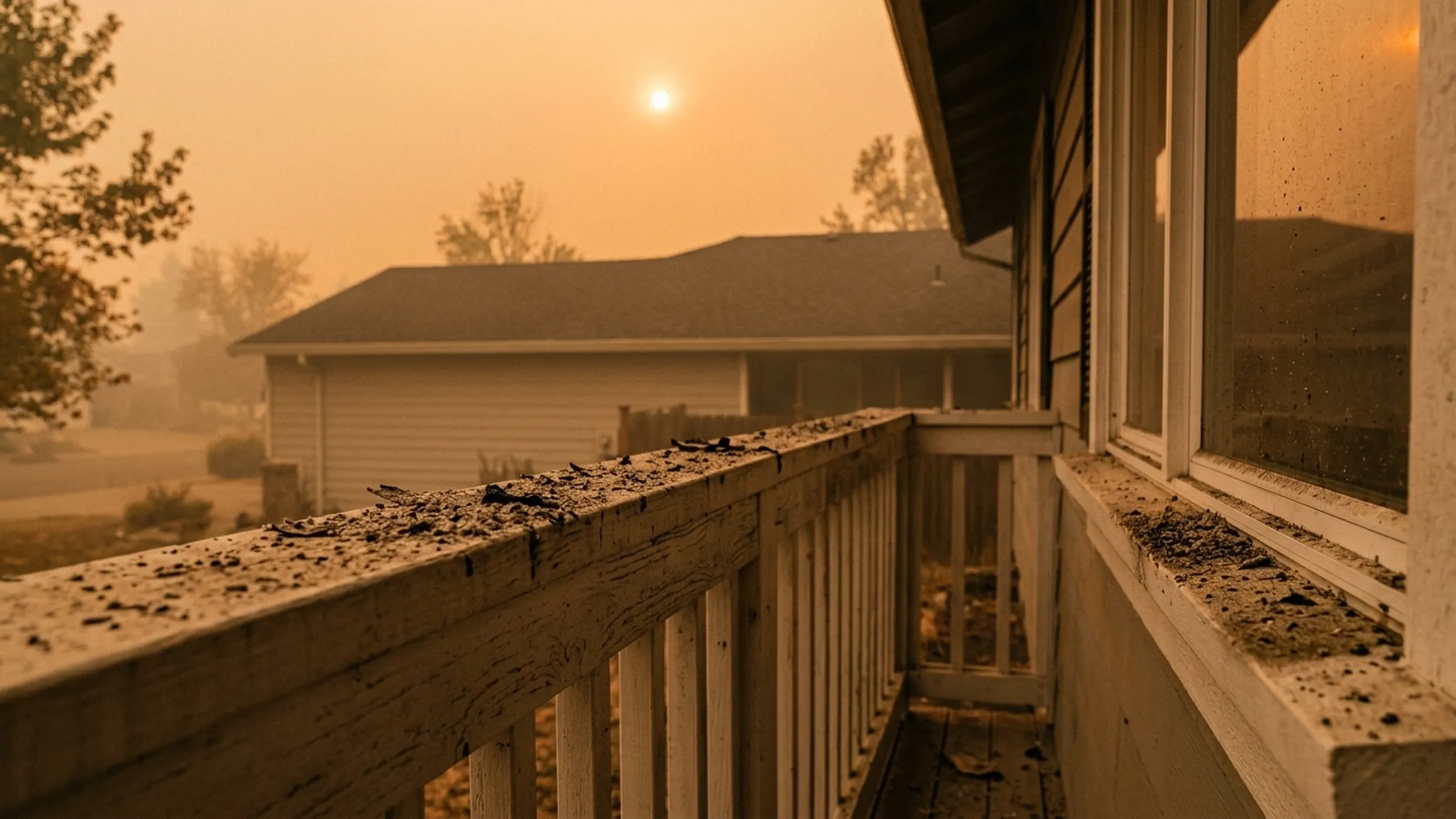
09/30/2026
Smoke and Soot After a Nearby Wildfire
A wildfire miles away can leave smoke, ash and odor in a house the fire never touched. How it gets in, what EPA and CDC advise, and when to call a professional.
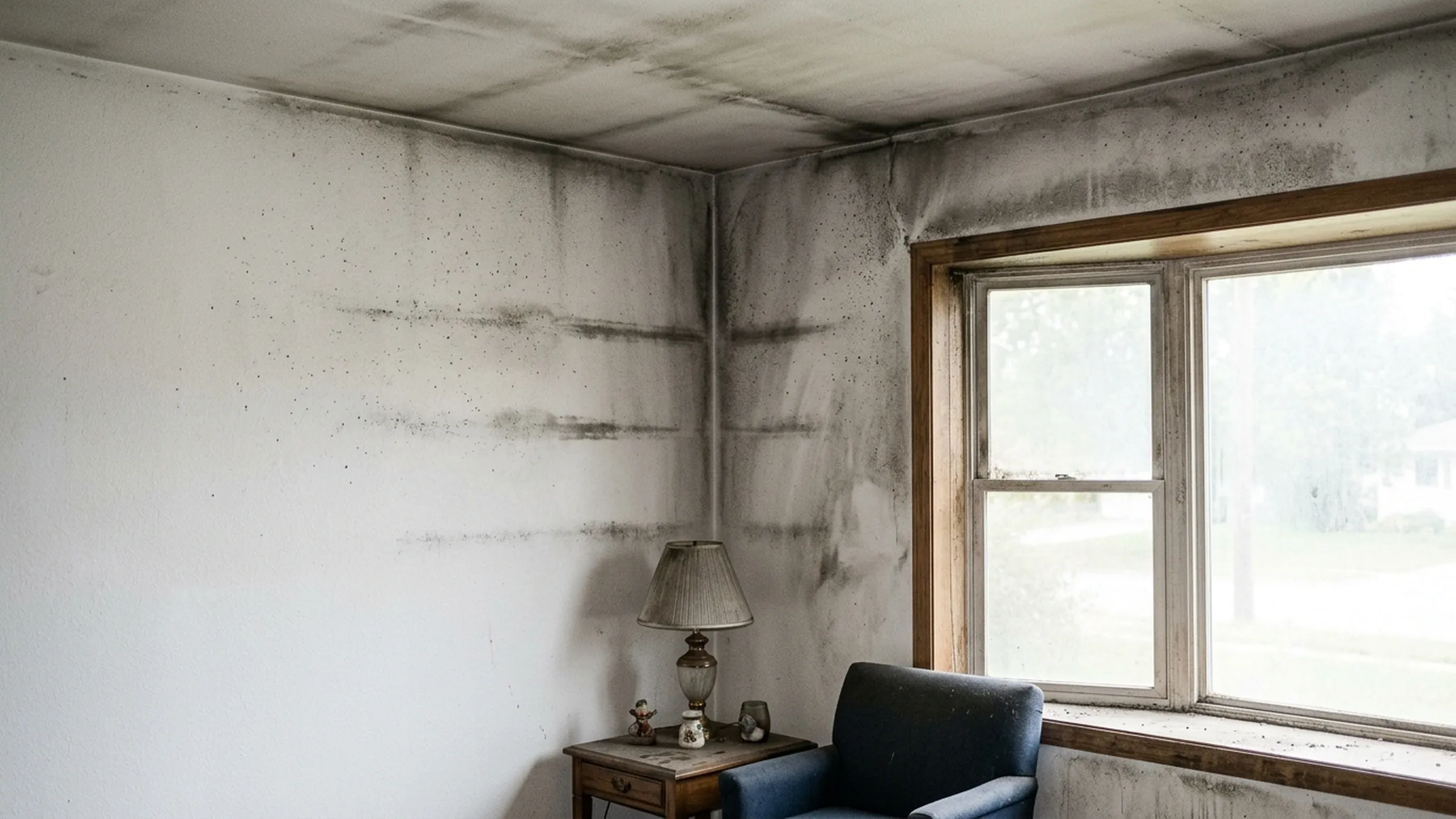
09/29/2026
Smoke Damage You Can't See, and Why the Smell Comes Back
Smoke leaves residue in walls, ducts and fabrics long after the flames are out. Why the odor returns on humid days, and what real smoke restoration involves.
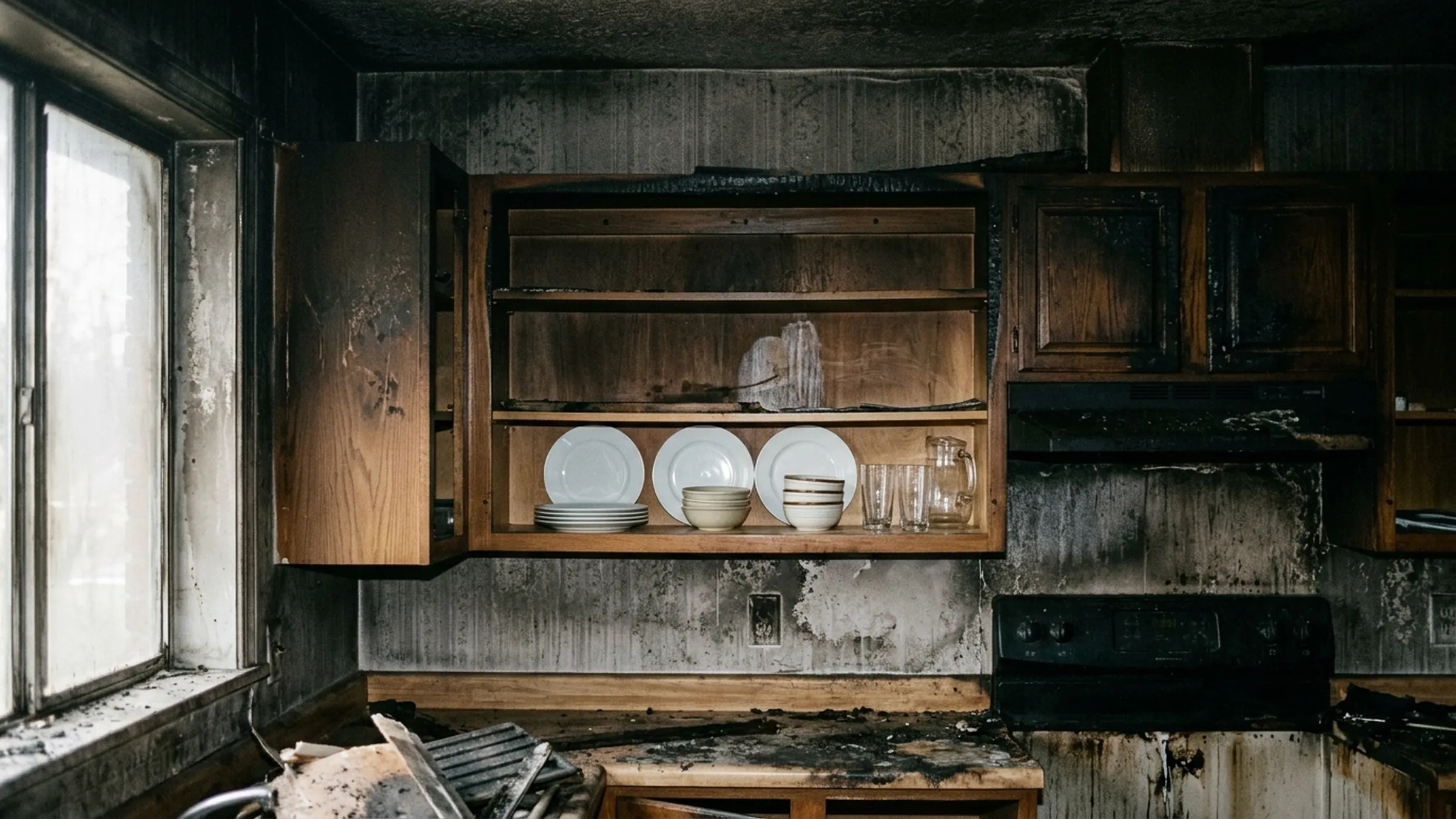
09/29/2026
What Can Be Saved After a House Fire
After a fire, some belongings can be cleaned and restored and some cannot. How to sort them, what a pack-out is, and what to do about food, papers and electronics.