By Restoration Advertising · 09/30/2026
Sewage Backup: Why It Is Not a Clean-Water Job
Why sewage water is treated differently from a leak, the health risks, what not to touch, and whether to call a plumber or a restoration company first.
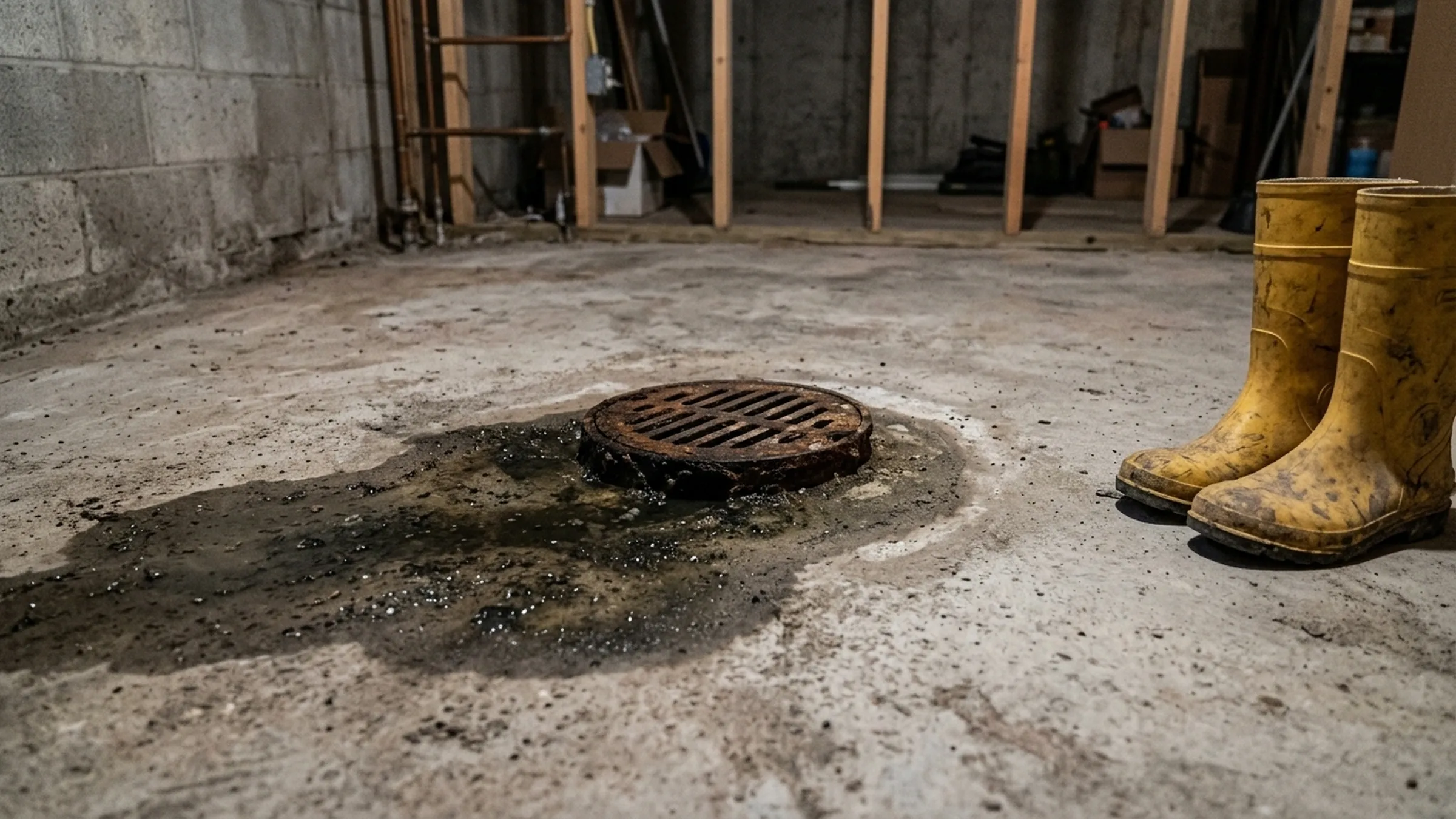
Why is sewage not treated like a leak?
Water from a broken supply line starts out clean. Water from a sewer backup does not. It carries human waste, and that changes how the job is done, who should do it and what you should avoid while you wait.
The restoration industry's standard, ANSI/IICRC S500, sorts water into three categories by how contaminated it is. The standard's own consensus body describes Category 3 water as "grossly contaminated," with sewage and "wasteline backflows that originate from beyond any trap" among its examples, and says that for Category 2 or 3 water, restorers "shall use contamination controls and appropriate worker protection" (IICRC S500 Consensus Body position statement, February 10, 2026). Sewage is Category 3. The CDC says floodwater can contain human waste, that floodwater may contain sewage, and that eating or drinking anything it has contaminated can cause diarrheal disease. It also says open wounds and rashes exposed to floodwater can become infected, and that after a puncture wound or a wound contaminated with feces, soil or saliva a health care professional should decide whether you need a tetanus booster (CDC: Safety Guidelines: Floodwater). That is why a sewage job is not a mop-and-fan job.
What not to do after a sewer backup
Do not wade in barefoot or bare-handed
The CDC advises rubber boots, rubber gloves and goggles if you must enter contaminated water. Wash skin with soap and clean water afterward.
Do not let children or pets in
Keep them out of the affected area until cleanup is finished.
Do not dry it like a clean leak
Fans and ordinary wet vacuums can spread contamination. Sewage calls for a company equipped and trained for it.
Do not keep porous items
The CDC says to throw away items that cannot be disinfected, such as carpet, padding, upholstered furniture, mattresses and drywall that soaked up contaminated water.
Do not throw anything away before you document it
Photograph and list what was damaged first. Your insurer may want to see it.
Do not assume whose pipe it is
Responsibility depends on where the blockage is. Find out before you pay for a repair.
Why are porous materials usually removed?
Carpet, padding, insulation and drywall soak up contaminated water and are hard to disinfect. Hard, sealed surfaces can often be cleaned with soap and water and then disinfected. A contractor makes that call on site, and the answer can differ for each room.
Who do you call: a plumber or a restoration company?
You usually need both, for different jobs.
- A plumber finds and clears the blockage. The Insurance Information Institute says the property owner owns and maintains the sewer lateral, the pipeline between the city sanitary sewer main and the building (Triple-I: Protect your house from sewer backups, page undated). If the blockage is in the main, the city needs to know. Tree roots, aging pipes and blockages in the main are common causes.
- A restoration company removes the contaminated water and materials, then cleans, disinfects and dries. Cleanup should wait until the source has been stopped, or the water will return.
See plumbers in the directory and water damage companies. Our guide on whether to call a plumber or a restoration company first covers the order for other kinds of water, and what extraction and drying involve. If anything stays wet afterward, mold companies may be needed later.
What should you document for insurance?
In general terms: take photos and video of the water, the damage and any item before it is discarded, keep receipts, and tell your insurer promptly. The Texas Department of Insurance advises taking pictures or videos of damaged property before making repairs and keeping the damaged property for the adjuster to inspect (Texas Department of Insurance: Tips for filing a claim, last updated 1/21/2021). Sewer backup is often not covered by a standard homeowners policy unless coverage was added, so ask your agent. More in our guide on documenting your loss before the cleanup starts.
Questions to ask any company you call
- Do you handle sewage (Category 3) water, and how do you protect people and the rest of the house?
- What will you remove, and what do you expect to clean instead?
- Who disinfects, and how will I know the work is finished?
- Will you write down what you removed, with photos?
- What is the price, and what could change it?
The directory lists companies and does not vet or rate any of them, so ask the questions above of every company you call.