By Restoration Advertising · 11/27/2026
Away for the Holidays: Frozen Pipes and Your Insurer
What a homeowners policy's freezing clause asks of you while the house sits empty, the 55°F figure, and how to prove you took care.
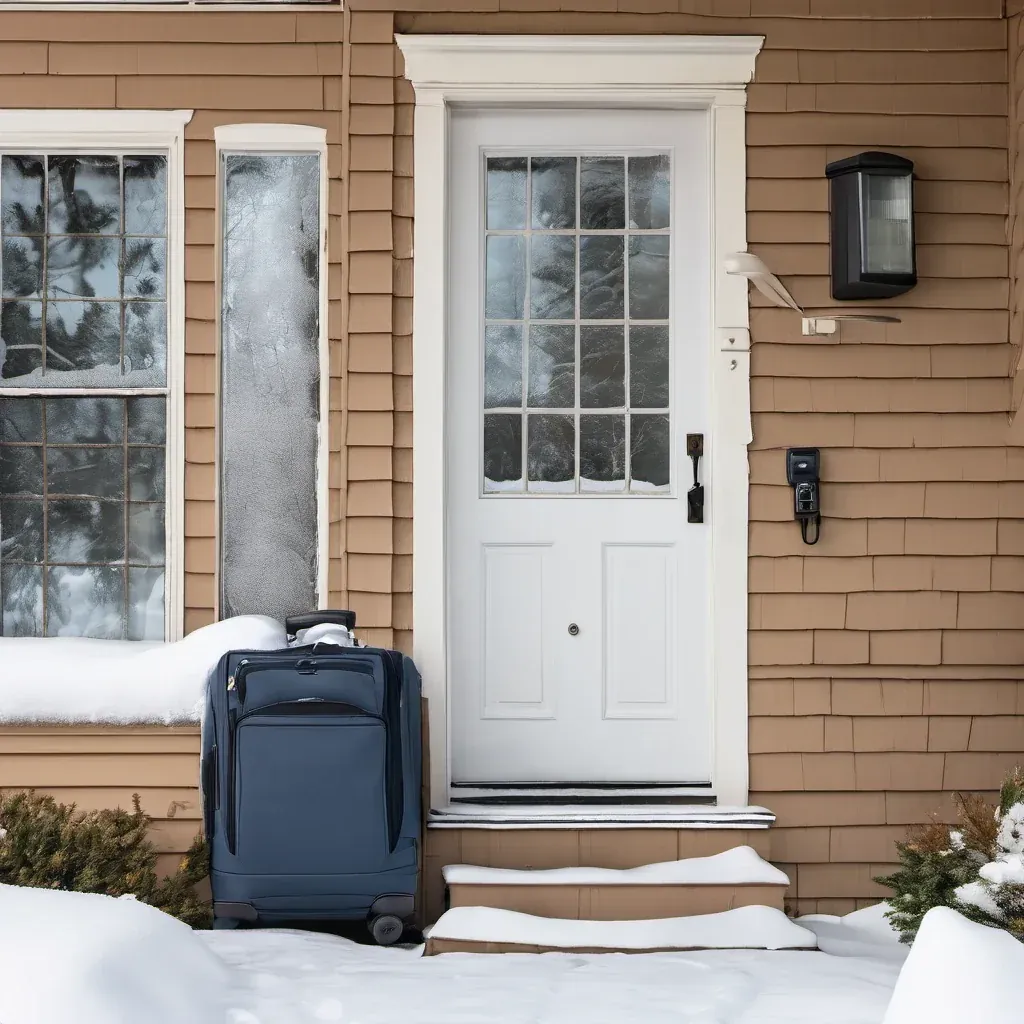
A standard homeowners policy can cover a pipe that freezes and bursts, but both of the policy forms we read remove that coverage while the house is vacant or unoccupied unless you took reasonable care to keep the heat on, or to shut off the water and drain the system, and Mississippi's insurance department says many policies work this way. A holiday trip can count as "unoccupied." The figure safety agencies give for the thermostat is 55°F or higher, and in our reading the strongest thing you can bring to a claim is a record showing what you did before you left.
Insurance is state- and policy-specific. Read your own policy's freezing wording and call your agent before you travel; if an insurer will not explain a denial, your state insurance department can help.
What does a homeowners policy actually say about freezing?
The most widely copied homeowners form is the Insurance Services Office (ISO) HO 3. A published copy of the 1991 edition (Security First: Homeowners 3 Special Form, HO 00 03 04 91) excludes freezing of plumbing, heating, air conditioning, sprinkler systems and household appliances, and the leakage that follows, "only while the dwelling is vacant, unoccupied or being constructed." The exclusion falls away if you used reasonable care to do one of two things: keep heat in the building, or shut off the water supply and drain the system and appliances.
A Safeco form on file with the Oklahoma Insurance Department: Safeco Homeowners Policy, HOM-7030/EP 1/09 uses the same structure: the same exclusion, the same two ways out.
Three things the wording does not say
- No number of days. The same ISO form drops vandalism coverage once the house has been vacant for more than 30 days in a row; the Safeco form says 60. The ISO form's glass-breakage peril has the same 30-day vacancy limit, and the Safeco form groups vandalism and glass breakage under its 60 days. The freezing clause has no such clock. It applies while the house is unoccupied, so a long weekend can be enough.
- No temperature. Keeping heat in the building is the test. The 55°F figure comes from safety guidance, not from these forms, though the District of Columbia DISB: If My Frozen Pipes Burst, Am I Covered by Insurance? notes that some policies do set a temperature.
- No definition of vacant or unoccupied. Neither form defines either word.
We could not retrieve a newer ISO edition (the copy we tried returned a 403), so the 1991 ISO and 2009 Safeco forms are older examples, not your policy. Newer editions and insurers' own forms differ, and some apply the heat-or-drain condition whether or not anyone is away. Your declarations page names the form you have.
Is your house vacant or unoccupied while you travel?
In everyday use, a vacant house has been emptied of the people and the belongings; an unoccupied house still has its furniture, but nobody is living in it right now. Those everyday meanings are ours, not the forms'. A family away for the holidays is probably the second case. Because these forms do not define either word, your own policy's definitions, if it has any, and your state's courts decide where the line falls.
The practical point is that the 1991 ISO form names both. Its personal-property coverage for freezing is written around occupancy too: it does not apply while the dwelling is unoccupied unless you used reasonable care. Leaving the furniture in place does not get you out of the condition.
| Situation | Likely status | Why it matters |
|---|---|---|
| Away for a week, house furnished | Unoccupied | The freeze clause can apply on these forms |
| Moved out, house listed for sale | Vacant | Freeze clause applies; the vandalism and glass-breakage vacancy clocks (30 days on the ISO form, 60 on the Safeco form) also start running |
| Living at home, heat on | Occupied | The vacancy wording does not apply, but some policies impose heat duties anyway |
The Mississippi Insurance Department: Protect Your Home From Ice and Other Threats (Jan. 10, 2024) gives the example insurers see most: a home listed for sale, emptied and left with the heat off, where the insurer could deny a burst-pipe claim.
What temperature should you leave the house at?
At least 55°F, day and night. The IBHS FORTIFIED program: Defend Against Frozen Pipes (Jan. 28, 2023) says to set the thermostat to at least 55°F. Texas AgriLife Extension: Winter Storms, Preventing and Thawing Frozen Pipes says to leave the heat on, no lower than 55°F, keep the setting the same day and night, and open cabinet doors where there is plumbing.
55°F is a floor, not a target. The Vermont Department of Financial Regulation: Protect Your Home From Frozen Pipes (Jan. 22, 2025) recommends a warmer setting when you are away, because it buys time before pipes freeze if the power goes out.
For insulating, dripping faucets and the rest of the prevention list, see our guide to preventing frozen and burst pipes.
When should you shut off the main and drain instead?
Shutting off the water is the policy's second way out, and the form asks for both halves: shut off the supply and drain the system and appliances of water. Closing the main valve alone leaves water standing in the pipes, the water heater and appliance lines, and it can still freeze (our plumbing reasoning, not the forms').
Vermont's regulator suggests having the plumbing shut off and drained for a long absence. DC's adds that if a property will have no heat, you should shut off and drain. Draining a whole house, including the water heater, is a plumber's job if you have not done it before; if your home has fire sprinklers, ask the plumber before closing the main.
For a one-week trip, keeping the heat on is what the first option asks for on these forms; whether a failed furnace still counts as reasonable care is the open question in the table below. Closing the main as well limits how much water a burst can release. Ask your agent which the insurer expects.
Do leak and temperature sensors help?
They help in two ways. They catch a problem while it is small, and they produce a dated record. Vermont's regulator suggests a leak detection monitor with automatic shutoff, particularly when you are away for long stretches. IBHS FORTIFIED suggests a monitoring system that alerts you if the indoor temperature drops below 55°F.
A sensor is not named in either policy form, and it does not replace keeping the heat on. Its app history can show the temperature held, or when it dropped. Make sure an alert reaches someone who can get to the house.
Who should check the house, and what should they look for?
DC's insurance regulator suggests that, if possible, you have a neighbor check on the property, and Vermont's advisory says a friend or neighbor can check in periodically to make sure the heating system is working and that there are no issues. Give them a short list:
- Read the thermostat and feel for warm air.
- Look under sinks on outside walls and at the water heater for water.
- Know where the main shutoff is, and have your number and a plumber's.
- Text you a photo of the thermostat each visit.
How do you prove you used reasonable care?
"Reasonable care" is a judgment made after the fact, so build the record before you leave:
- Thermostat photo on the day you leave, with the setting visible. Photos usually carry a date in their file details; check that yours does.
- Smart thermostat or sensor history, which you can export after a loss.
- Plumber's invoice if you had the system drained.
- Check-in texts with photos from whoever visited, and fuel or utility records showing the heat was supplied.
If a pipe still bursts, the policy expects prompt notice and reasonable steps to protect the property. For what to photograph after a loss, see documenting your loss before the cleanup starts.
How is a claim likely to be viewed?
This table is our reading of the wording above, not any regulator's statement. Your policy, your state's law and the facts of the loss decide the outcome.
| What you did | How the claim is likely viewed |
|---|---|
| Heat at 55°F or more, someone checked, photos kept | Strongest position; the reasonable-care exception is built for this |
| Heat at 55°F or more, nobody checked, furnace failed mid-trip | Arguable; the record of the setting and any sensor history carry weight |
| Main shut off and system drained, with invoice | Matches the second option on these forms |
| Main shut off but pipes not drained | Weaker; the form asks for both |
| Heat turned off or set very low, water on | Likely excluded while unoccupied |
| House emptied for sale, heat off | Likely excluded; vacancy terms also apply |
If water does get in, call the insurer, then decide whether to call a plumber or a restoration company first. Water from outside the house is a separate question: see flood vs. water damage on a homeowner's policy.
A before-you-leave checklist
- Read the freezing clause in your own form. It tells you which conditions apply.
- Call your agent and ask whether the insurer requires a set temperature or periodic checks. Write down who you spoke to.
- Set the heat to 55°F or higher, and leave it steady. That is the clearest way to meet the "maintain heat" option on the two forms we read.
- Photograph the thermostat. A dated record outlasts memory.
- Arrange a checker with the list above. Vermont's regulator says the checker should confirm the heating system is working.
- Know your main shutoff, or have the system drained for a long absence. That is the policy's other way out.
Researched and drafted with AI, then reviewed and edited by the site's editors.