Directory
Water damage and flood restoration companies
A burst pipe, a failed water heater or a flood needs water out fast: extraction, drying equipment and moisture readings, usually within the first day or two, before mold can start. These companies answer that call, most of them around the clock.
Listings
- (416) 315-7562
5 Star Cleaning
Richmond Hill, Ontario
- (678) 831-8466
Atlanta Restoration Service
Atlanta, Georgia
- (888) 421-4119
Belfor Property Restoration
Charleston, South Carolina
- (319) 337-7721
BFC Elite
Iowa City, Iowa
- (602) 234-6856
BIOPRO LLC
Gilbert, Arizona
- (513) 481-5844
Brock Restoration
Cincinnati, Ohio
- (910) 406-4411
Bryter Restoration of Wilmington
Wilmington, North Carolina
- (480) 247-7724
Cardinal Clean LLC.
Phoenix, Arizona
- (800) 892-7124
Clean Care of New England
Cranston, Rhode Island
- (416) 551-8287
CPR24 Restoration
Toronto, Ontario
- (602) 428-6103
Disaster Restoration
Phoenix, Arizona
- (630) 350-3000
DKI Services
Elk Grove Village, Illinois
- (513) 763-2121
Dry Effect
Cincinnati, Ohio
- (941) 358-9055
Expert Water Removal
Bradenton, Florida
- (844) 898-8928
First Aid Services
Wallington, New Jersey
- (916) 631-1693
Five Star Restoration & Construction, Inc.
Sacramento, California
Foster's Quality First
San Francisco, California
- (714) 912-7236
H2O Mold Restoration Gurus of Costa Mesa
Costa Mesa, California
- (714) 671-8603
H2O Mold Restoration Gurus of Santa Ana
Santa Ana, California
- (706) 562-8718
Homemaster
West Georgia, Georgia
- (416) 252-5959
IBX Services
Toronto, Ontario
- (770) 966-9987
Integrity Restoration & Remodeling Contractors LLC
Marietta, Georgia
- (804) 230-7240
MA Williams Drain Cleaning, Plumbing, Heating and Air
Richmond, Virginia
- (203) 283-3912
MoldStar Remediation
Atlanta, Georgia
- (727) 203-5426
Mr Dry Out
Hudson, Florida
- (619) 376-6838
Orange Restoration San Diego
San Diego, California
- (770) 415-8947
Provision Construction
Buford, Georgia
- (713) 686-8899
R&L Global Inc.
Houston, Texas
- (864) 268-2221
Rainbow International of Greenville SC
Greenville, South Carolina
- (904) 880-6440
Rainbow International Restoration
Jacksonville, Florida
- (201) 355-4532
Reilly's Oriental Rug Cleaning
Midland Park, New Jersey
- (360) 667-1665
Robinson Restoration
Vancouver, Washington
- (480) 571-9521
Scottsdale Water Damage Restoration
Scottsdale, Arizona
- (507) 888-8460
Service Restoration
Rochester, Minnesota
- (208) 344-5511
ServiceMaster Water Damage Restoration
Caldwell, Idaho
- (201) 740-2950
SERVPRO of Hoboken/Union City
Jersey City, New Jersey
- (732) 410-7309
SERVPRO of West Somerset County
Belle Mead, New Jersey
- (602) 973-1899
Silverton Contractors Inc.
Phoenix, Arizona
- (770) 769-2184
The Water Damage Restoration Network of Alpharetta
Alpharetta, Georgia
- (619) 308-6421
TSC Restoration, Inc.
San Diego, California
- (561) 264-8193
Water Damage Boca Experts
Boca Raton, Florida
- (817) 203-2792
Water Damage Restoration PDQ of Grapevine
Grapevine, Texas
- (312) 574-3814
Water Mold Fire Restoration of Chicago
Chicago, Illinois
- (972) 559-4244
Water Mold Fire Restoration of Dallas
Dallas, Texas
- (305) 999-5144
Water Mold Fire Restoration of Miami
Miami, Florida
- (651) 395-7036
Water Mold Fire Restoration of Minneapolis
Minneapolis, Minnesota
- (202) 650-0299
Water Mold Fire Restoration of Washington DC
Washington DC, District of Columbia
From standing water to a dry, rebuilt room
Illustrations made for this site, not work by the companies listed.
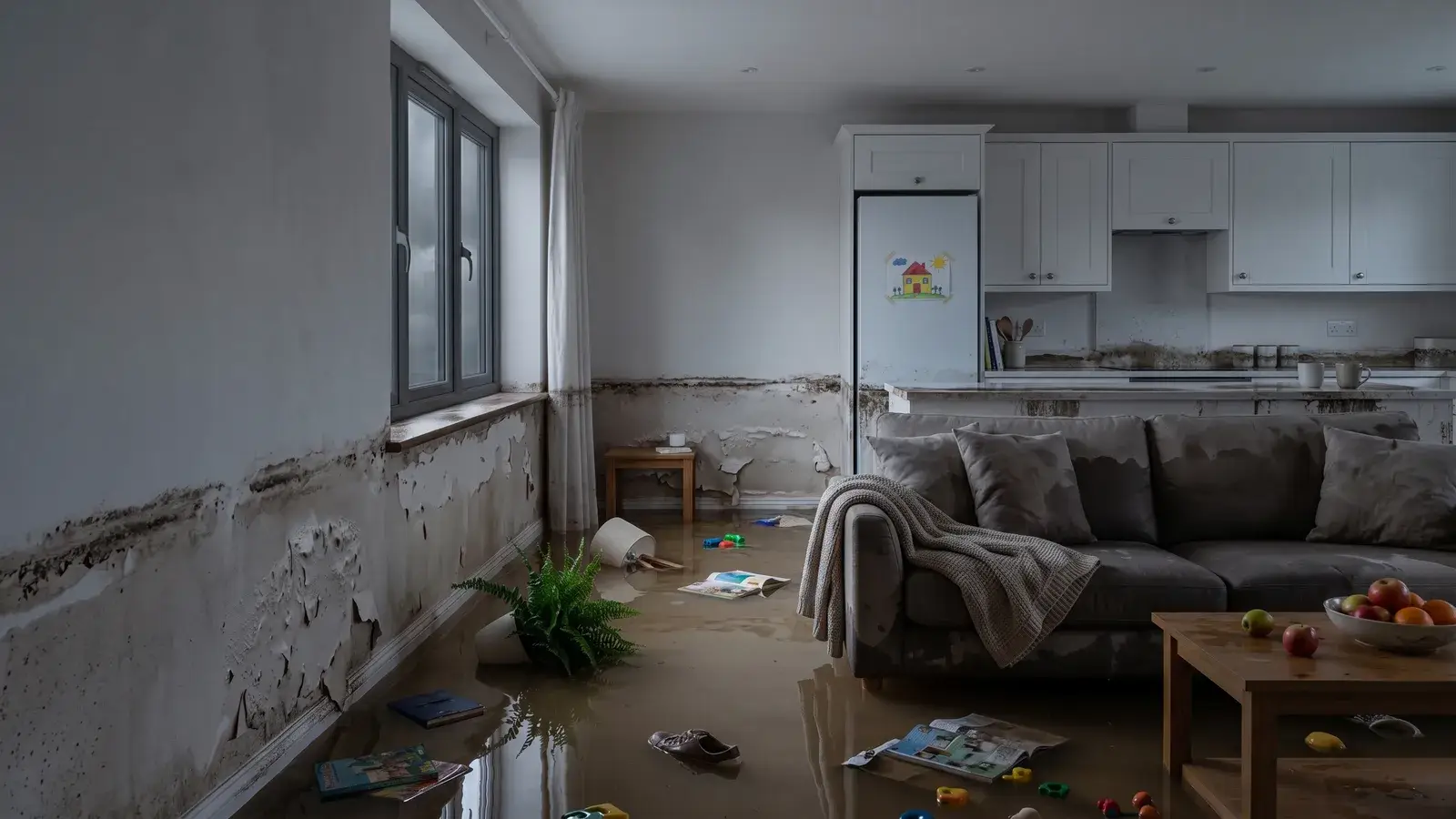

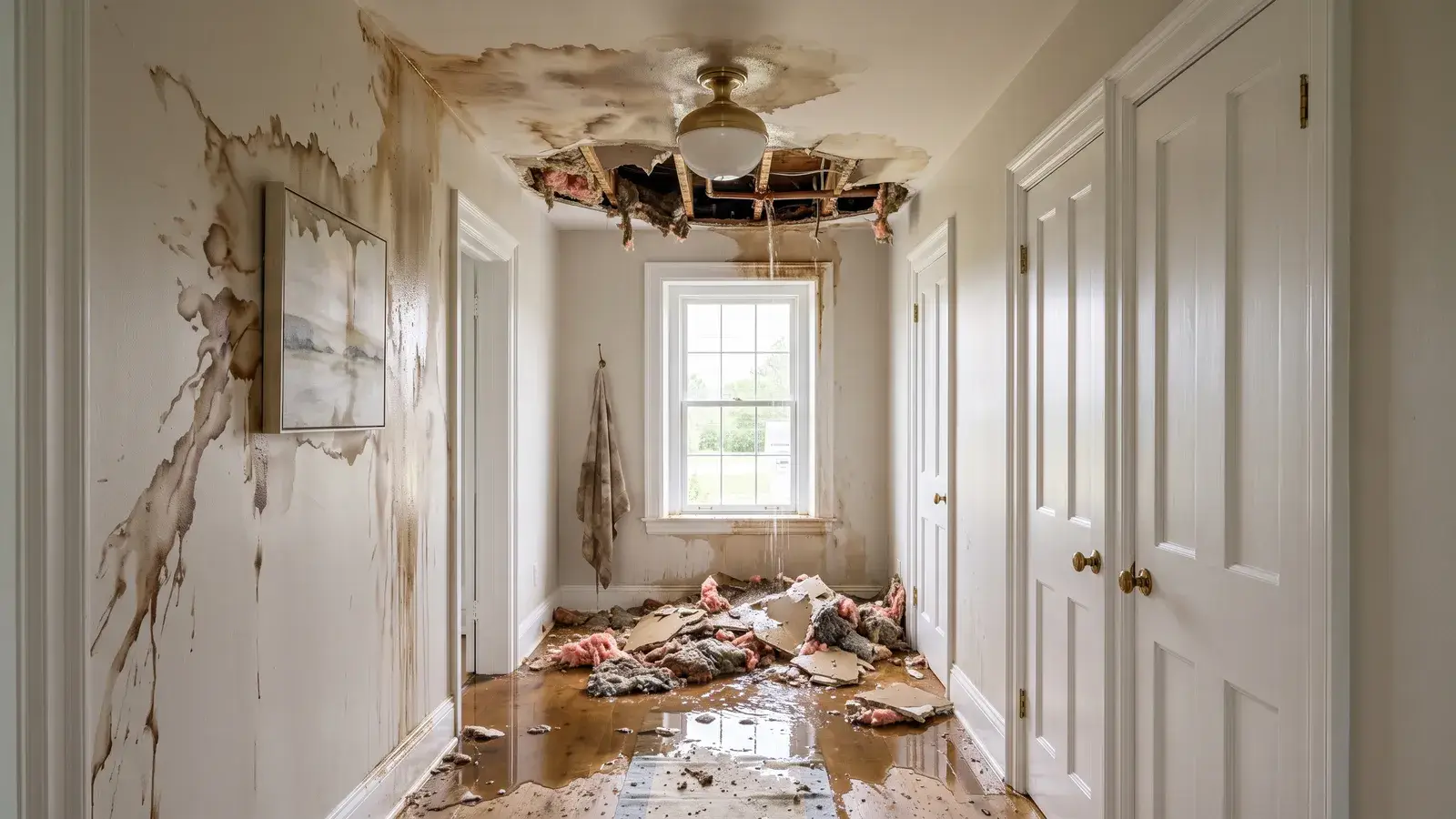
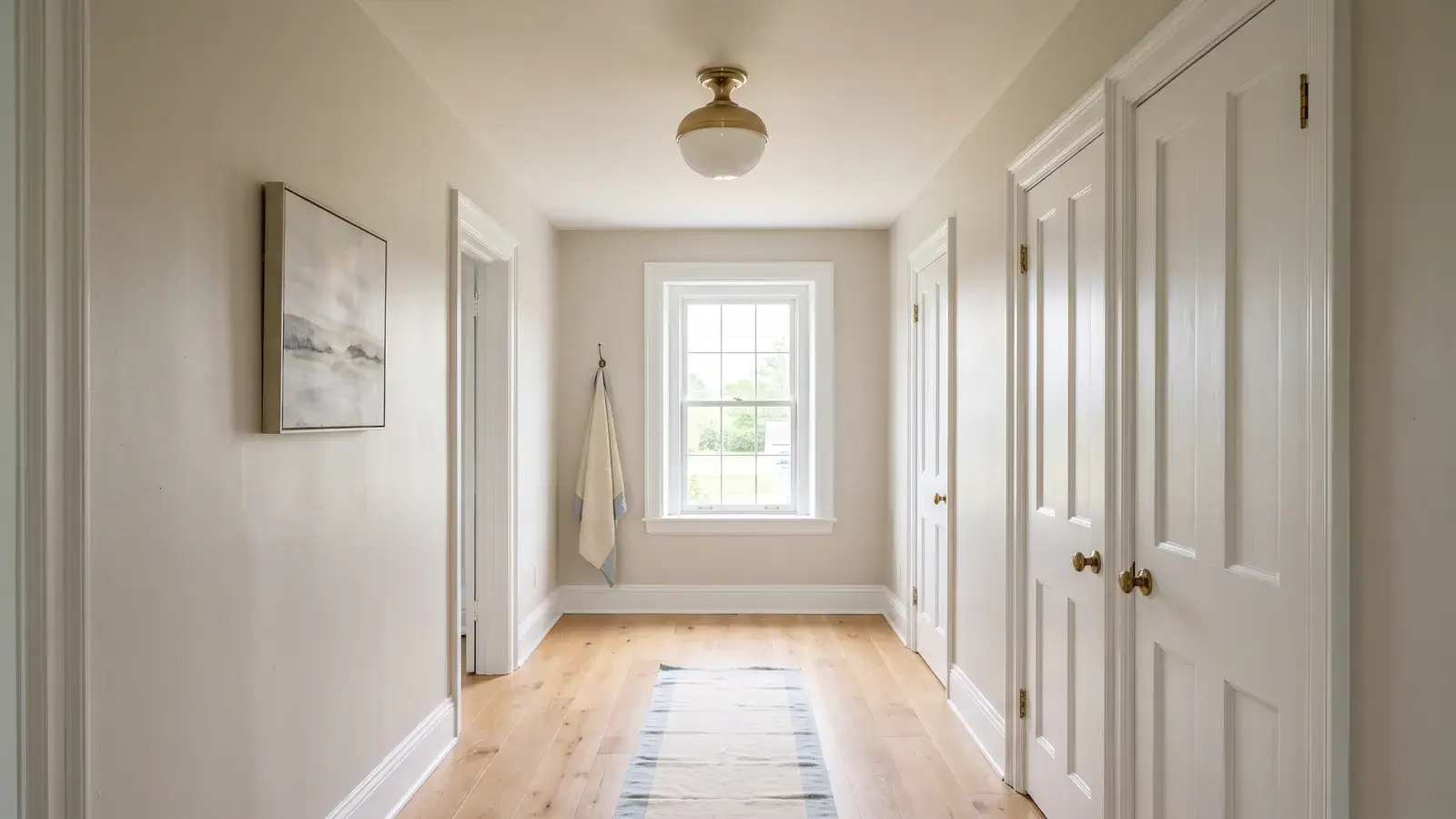
When the water gets in... From the waterline back to new.
What happens first
- Stop the water and stay safe. For a burst pipe, shut off the main water valve. Stay out of standing water where outlets, cords or appliances may be live, and switch off power at the breaker only if you can reach it without standing in water.
- Take photos and video of the water and everything it touched, before anything is moved or thrown out. Your insurer will ask for them.
- Call your insurer and a restoration company. Both can happen the same day, and most restoration companies are used to working with insurers.
- Extraction and drying. The crew pumps and extracts the water, then sets up air movers and dehumidifiers. They take moisture readings each day until walls, floors and framing are dry, which often takes three to five days and longer after heavy flooding.
- Removal and rebuild. Carpet pad, drywall and insulation that cannot be dried in time are cut out and replaced.
Why speed matters: mold can start growing on wet materials within 24 to 48 hours. Why the source matters: flood water from outside or sewage backup carries contamination, so materials it touched are usually removed rather than dried.
Questions to ask before you hire
How soon can a crew get here?
Water keeps spreading and soaking in, so ask when a crew can arrive, not just when someone can call back. Many water damage companies run around the clock.
Are your technicians certified?
The IICRC (Institute of Inspection, Cleaning and Restoration Certification) sets the industry's common standard, and its Water Damage Restoration Technician course is the usual credential. Ask whether the crew coming to your home holds it.
Will you work with my insurance company?
Most restoration companies do, and many bill the insurer directly. In most cases you choose the company; your insurer may suggest one. Ask for a written estimate, and check with your insurer before signing anything that assigns your claim to the company.
How will I know it is dry?
A good crew measures moisture in walls and floors with meters and keeps a written drying log until the readings reach normal levels. Ask to see it before equipment leaves and walls are closed up.
Are you licensed and insured?
Licensing rules differ by state, so ask what applies where you live, and ask for proof of liability insurance.
Does Restoration Advertising check these companies?
No. The companies supplied their own listings, and the directory does not rate, rank or vet them. That is why the questions above are worth asking whoever you call.